Introduction
Walk into the kitchen of any forward-thinking California restaurant today, and you'll witness something remarkable: vegetable trimmings becoming flavor-packed stocks, citrus peels transforming into aromatic seasonings, and stale bread reinventing itself as crispy croutons or silky bread puddings. This isn't just resourcefulness—it's a culinary revolution that's redefining how we think about food waste.
California has always been at the forefront of culinary innovation, from Alice Waters' farm-to-table movement in Berkeley to the sustainable seafood initiatives of Monterey Bay. Now, the Golden State's chefs are leading another transformation: zero waste cooking. With California's ambitious goal to reduce organic waste disposal by 75% by 2025 under SB 1383, professional kitchens across the state have become laboratories for creative waste reduction.
In this comprehensive guide, we'll pull back the curtain on the techniques California's most innovative chefs use to minimize waste while maximizing flavor. Whether you're a home cook looking to reduce your environmental footprint or simply want to stretch your grocery budget further, these professional secrets will transform how you approach every ingredient that enters your kitchen.
What is Zero Waste Cooking?
Zero waste cooking is a culinary philosophy and practice that aims to use every edible part of an ingredient while finding creative purposes for what traditionally gets thrown away. It's about viewing food holistically—understanding that the broccoli stem has as much value as the florets, that fish bones create magnificent stocks, and that even coffee grounds can enhance your garden soil.
The concept extends beyond simply using scraps. True zero waste cooking encompasses the entire food cycle: thoughtful purchasing, proper storage, complete ingredient utilization, and composting what truly cannot be consumed. California chefs have refined this approach into an art form, developing techniques that not only reduce waste but often produce more flavorful results than conventional cooking methods.
According to the EPA's Food Recovery Hierarchy, the most preferred approach to food waste is source reduction—buying and preparing only what you need. California chefs have embraced this principle while adding their own innovations, creating what might be called "root-to-leaf" or "nose-to-tail" cooking that celebrates every component of an ingredient.
The zero waste movement in California kitchens isn't just environmentally motivated—it's economically smart and culinarily exciting. When chefs began examining their waste streams, they discovered untapped potential for new dishes, unique flavors, and significant cost savings. What started as an environmental imperative has become a source of creative inspiration.
Why Zero Waste Cooking Matters in California
California's relationship with sustainable food practices runs deep. The state produces nearly half of all U.S. fruits, vegetables, and nuts, making the connection between farm and table remarkably direct. When Californians waste food, they're not just discarding nutrients—they're wasting the precious water, labor, and land that produced it in a state that regularly battles drought and agricultural challenges.
The environmental stakes couldn't be higher. Food waste in landfills produces methane, a greenhouse gas 25 times more potent than carbon dioxide. With California's commitment to fighting climate change, reducing food waste has become a critical piece of the sustainability puzzle. The state's mandatory organic waste recycling program affects households and businesses alike, making zero waste cooking not just admirable but increasingly necessary.
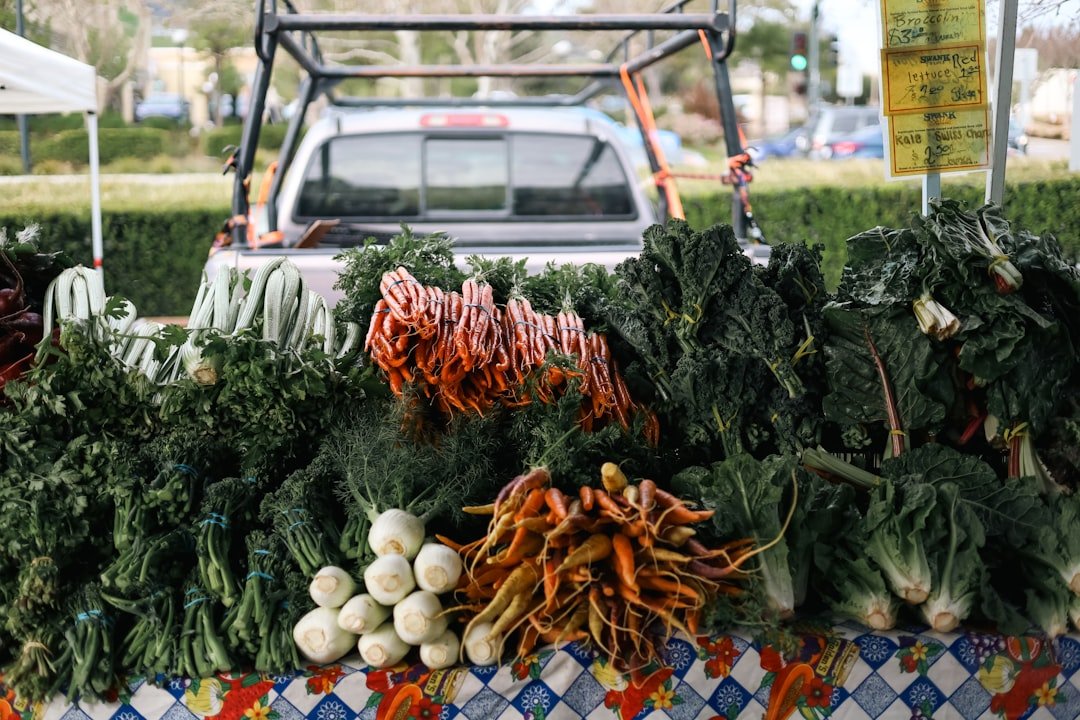
Beyond environmental benefits, zero waste cooking connects us more deeply to California's agricultural heritage. When you use the entire vegetable, you're honoring the farmer who grew it, the water that sustained it, and the soil that nourished it. This philosophy aligns perfectly with California's farm-to-table ethos, extending the principle from 'knowing your farmer' to 'respecting every part of what they grow.'
For home cooks, the practical benefits are equally compelling. Families can save hundreds of dollars annually by fully utilizing ingredients they've already purchased. That carrot top pesto replaces store-bought sauce. Those vegetable scraps become rich stock instead of expensive boxed broth. Zero waste cooking transforms your kitchen economics while expanding your culinary repertoire.
- Significant reduction in grocery costs through complete ingredient use
- Lower environmental impact and reduced methane emissions
- Discovery of new flavors and textures from overlooked parts
- Alignment with California's sustainability laws and culture
- Deeper connection to food sources and agricultural practices
- Development of creative cooking skills and techniques
- Requires initial learning curve and habit changes
- Some techniques need additional time and planning
- May require new equipment like dehydrators or food processors
- Not all scraps are suitable for consumption
How California Chefs Approach Zero Waste Cooking
The zero waste techniques used in California's best kitchens follow a systematic approach that home cooks can easily adapt. These methods have been refined through years of practice in restaurants from San Diego to Mendocino, and they share common principles: meticulous planning, creative thinking, and respect for every ingredient.
The Scrap Stock System
Perhaps no technique is more fundamental to zero waste cooking than maintaining a scrap stock system. California chefs keep dedicated containers in their freezers, collecting vegetable trimmings, herb stems, and aromatics throughout the week. When the container is full, these scraps become the foundation for deeply flavorful stocks that form the backbone of soups, sauces, and braises.
The key is knowing what to include. Onion skins add golden color, leek tops contribute subtle allium flavor, and mushroom stems provide umami depth. However, not everything belongs in stock—brassicas like broccoli and cabbage can become sulfurous, while beets will turn everything an aggressive purple.
-
Use a large freezer bag or container to collect vegetable trimmings, herb stems, and aromatics throughout the week
-
Designate a visible area for ingredients approaching their peak ripeness that need immediate attention
-
Before shopping, inventory what you have and build meals around ingredients that might otherwise go to waste
-
Many foods last significantly longer with correct storage—herbs in water, greens wrapped in damp towels, etc.
-
Pickling, fermenting, dehydrating, and freezing extend ingredient life and create new flavors
-
For truly inedible scraps, composting returns nutrients to the soil and completes the cycle
Root-to-Leaf Cooking
California chefs have popularized the concept of root-to-leaf cooking, which treats every part of a plant as a potential ingredient. Carrot tops become vibrant pesto or chimichurri. Beet greens sauté beautifully with garlic and olive oil. Radish leaves add peppery punch to salads. This approach requires a shift in perception—seeing these 'scraps' as bonus ingredients rather than waste.
At acclaimed restaurants like The Perennial (before its closure) and Chez Panisse in Berkeley, this philosophy extends to ingredients many home cooks overlook. Fennel fronds flavor fish dishes. Celery leaves add brightness to soups. Even cauliflower cores, sliced thin, become crunchy additions to slaws and stir-fries.
The Art of Transformation
When ingredients approach the end of their fresh life, California chefs see opportunity rather than waste. Slightly wilted greens become soup or smoothie ingredients. Overripe fruit transforms into compotes, sauces, or baked goods. Stale bread—never truly waste—becomes breadcrumbs, croutons, panzanella salads, or bread pudding.
This transformation mindset is perhaps the most valuable zero waste skill. Instead of asking 'is this still good?', the question becomes 'what can this become?' A soft tomato that's past its salad prime makes excellent sauce. Bruised apples become applesauce or apple butter. The transformation approach ensures ingredients reach their full potential before ever approaching the compost bin.
Every ingredient tells a story, and our job as chefs is to honor that story from beginning to end. When you throw away the stem, the peel, the leaf—you're cutting that story short. Zero waste cooking means letting every ingredient reach its full narrative potential.
Scrap-to-Gourmet Techniques from California Kitchens
California chefs have elevated scrap utilization from necessity to art form. These techniques, honed in professional kitchens, translate beautifully to home cooking and can transform your relationship with ingredients you once discarded.
Vegetable Scrap Transformations
Citrus Peels: California's abundant citrus production means local chefs have mastered peel utilization. Lemon, orange, and grapefruit peels can be candied for desserts, dried and ground into aromatic powders, or infused into oils and vinegars. The key is removing the bitter white pith and using only the colorful, oil-rich zest.
Potato Skins: Rather than peeling potatoes for mashing, many California chefs leave skins on for added nutrition and flavor. When peeling is necessary, those skins become crispy chips when baked with olive oil and salt—a zero-cost appetizer that rivals any purchased snack.
Onion Skins: While not directly edible, onion skins add beautiful golden color and subtle flavor to stocks. Some innovative chefs even use them for natural fabric dyeing in their restaurant's textile projects.
Herb Stems: Cilantro, parsley, and dill stems contain intense flavor and should never be discarded. They're perfect for stocks, can be finely minced into sauces, or blended into dressings where their texture disappears.
| Scrap Type | Traditional Fate | Zero Waste Transformation |
|---|---|---|
| Carrot tops | Compost/Trash | Pesto, chimichurri, soup garnish |
| Broccoli stems | Discarded | Slaw, stir-fry, pureed soup base |
| Cheese rinds | Thrown away | Flavor enhancer for soups and risottos |
| Stale bread | Trash | Breadcrumbs, croutons, bread pudding |
| Coffee grounds | Garbage | Garden fertilizer, meat rubs |
| Vegetable scraps | Compost | Rich homemade stock |
| Citrus peels | Discarded | Candied, dried powder, infused oils |
| Overripe bananas | Thrown away | Banana bread, smoothies, nice cream |
Protein Scrap Utilization
California's sustainable seafood movement, led by organizations like Monterey Bay Aquarium's Seafood Watch, has inspired chefs to maximize every part of responsibly sourced fish. Fish bones and heads become rich fumet, the foundation of bouillabaisse and seafood risottos. Shrimp shells, roasted and simmered, produce stock with incredible depth.
For meat, California's nose-to-tail restaurants have pioneered creative uses for cuts once considered waste. Bones become stock, then remouillage (a second extraction), then finally garden fertilizer. Fat is rendered for cooking. Even tendons and cartilage, rich in collagen, are slowly braised until succulent.
The Fermentation Revival
Fermentation represents the ultimate zero waste technique, transforming vegetables at their peak into preserved ingredients with enhanced flavor and nutrition. California chefs have embraced traditional fermentation methods, creating house-made kimchi from cabbage cores, quick pickles from slightly soft vegetables, and shrubs (drinking vinegars) from fruit past its fresh-eating prime.
The fermentation process not only extends ingredient life but creates entirely new flavors. A cucumber destined for the compost becomes a tangy pickle. Cabbage transforms into probiotic-rich sauerkraut. Even watermelon rinds, typically discarded, become delightful pickles in California's innovative kitchens.
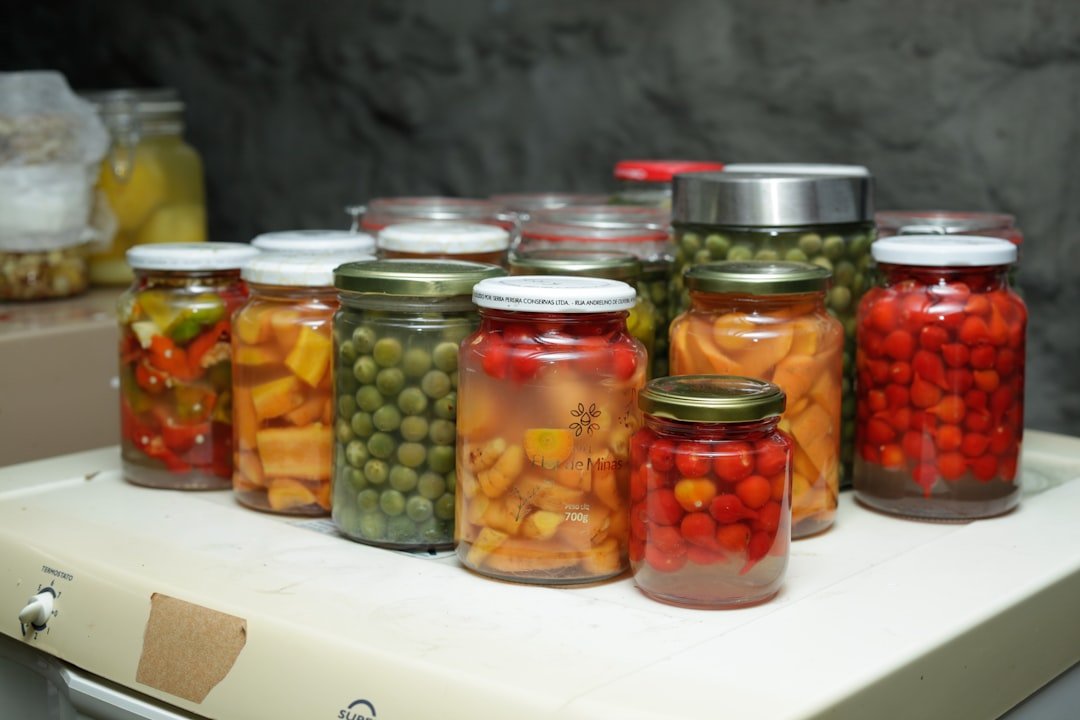
Photo by PROJETO CAFÉ GATO-MOURISCO on Unsplash
Common Mistakes to Avoid in Zero Waste Cooking
Even well-intentioned cooks can stumble when adopting zero waste practices. Learning from the mistakes others have made will help you avoid frustration and achieve better results from the start.
Trying to Use Everything at Once
The most common mistake is attempting to overhaul your entire kitchen approach overnight. Sustainable change happens gradually. Start with one technique—perhaps maintaining a scrap stock bag—and master it before adding another. California chefs didn't develop their zero waste systems in a day; they refined practices over years of cooking.
Ignoring Food Safety
Zero waste cooking should never compromise food safety. Some scraps genuinely should go to compost rather than your dinner plate. Moldy items (beyond surface mold on hard cheeses), obviously spoiled foods, and ingredients that smell off should be composted, not salvaged. The goal is reducing waste, not risking illness.
Be particularly careful with: - Proteins past their safe consumption window - Produce with signs of decay beyond surface imperfections - Anything with an unusual or off-putting smell - Items stored improperly for extended periods
Making Bitter Stock
Not all vegetable scraps belong in stock. Cruciferous vegetables (broccoli, cabbage, Brussels sprouts) become sulfurous when simmered. Beets turn everything red. Artichokes make stock bitter. Tomatoes can add unwanted acidity. Learn which scraps enhance stock and which should go directly to compost.
Stock-friendly scraps: Onion (including skins), carrots, celery, leek greens, garlic, mushrooms, herb stems, fennel
Avoid in stock: Broccoli, cabbage, kale, Brussels sprouts, beets, artichokes, potatoes (can make stock cloudy)
Overcomplicating Recipes
In the enthusiasm for zero waste cooking, some home cooks create overly complex dishes trying to use every scrap. Sometimes simple is better. A carrot top pesto doesn't need eight ingredients—carrot tops, garlic, olive oil, parmesan, and salt create something wonderful. California chefs succeed with zero waste cooking because they respect ingredient simplicity rather than masking scraps in complicated preparations.
Neglecting Proper Storage
The best zero waste technique is preventing waste in the first place through proper storage. Many home cooks don't realize that storage method dramatically affects produce lifespan. Herbs stored in water like flowers last far longer than those left in plastic bags. Greens wrapped in slightly damp towels stay crisp for days. Understanding proper storage prevents the need for scrap utilization entirely.
-
Trim stems and place in a jar with an inch of water, covering loosely with a plastic bag
-
The humidity prevents wilting while the towel absorbs excess moisture
-
Refrigeration halts ripening and degrades texture and flavor
-
Onions release gases that cause potatoes to sprout faster
-
Most vegetables can be blanched and frozen, extending their life by months
Best Practices from California's Zero Waste Champions
California's leading sustainable restaurants and home cooking educators have developed best practices that maximize both flavor and waste reduction. These techniques represent the collective wisdom of the state's most environmentally conscious culinary community.
Plan Before You Shop
The most effective zero waste practice happens before you enter the grocery store or farmers market. Take inventory of what you have, plan meals that use similar ingredients in different ways, and shop with a specific list. California chefs plan menus around ingredient utilization—if Monday's dish uses fennel bulbs, Tuesday's incorporates the fronds.
This planning extends to quantities. Home cooks often buy more than needed 'just in case,' leading to inevitable waste. Professional kitchens calculate portions precisely, and bringing this discipline home significantly reduces waste. Apps like Mealime can help home cooks plan efficiently.
Create a Weekly Waste-Up Meal
Many zero waste households designate one weekly meal specifically for using ingredients that need immediate attention. This might become "Friday Fridge Clean-Out" or "Sunday Soup Day" where accumulated scraps and aging produce transform into something delicious. The constraint often sparks creativity—some of the best dishes emerge from necessity.
Embrace Preservation Techniques
California's year-round growing season means abundant produce, but even here, preservation extends the life of seasonal ingredients. Learn basic techniques:
Quick Pickling: Slightly soft vegetables gain new life in a simple brine of vinegar, water, salt, and sugar. Pickled carrots, onions, and peppers can last weeks and add brightness to countless dishes.
Freezing: Most vegetables can be blanched briefly, shocked in ice water, and frozen for months. This simple technique captures peak freshness and prevents future waste.
Dehydrating: Dried herbs, fruits, and vegetables concentrate flavor while lasting indefinitely. A dehydrator or even a low oven transforms surplus into shelf-stable ingredients.
Oil and Vinegar Infusions: Surplus herbs and aromatics can flavor oils and vinegars, preserving their essence long after the fresh ingredients would have spoiled.
Build Relationships with Producers
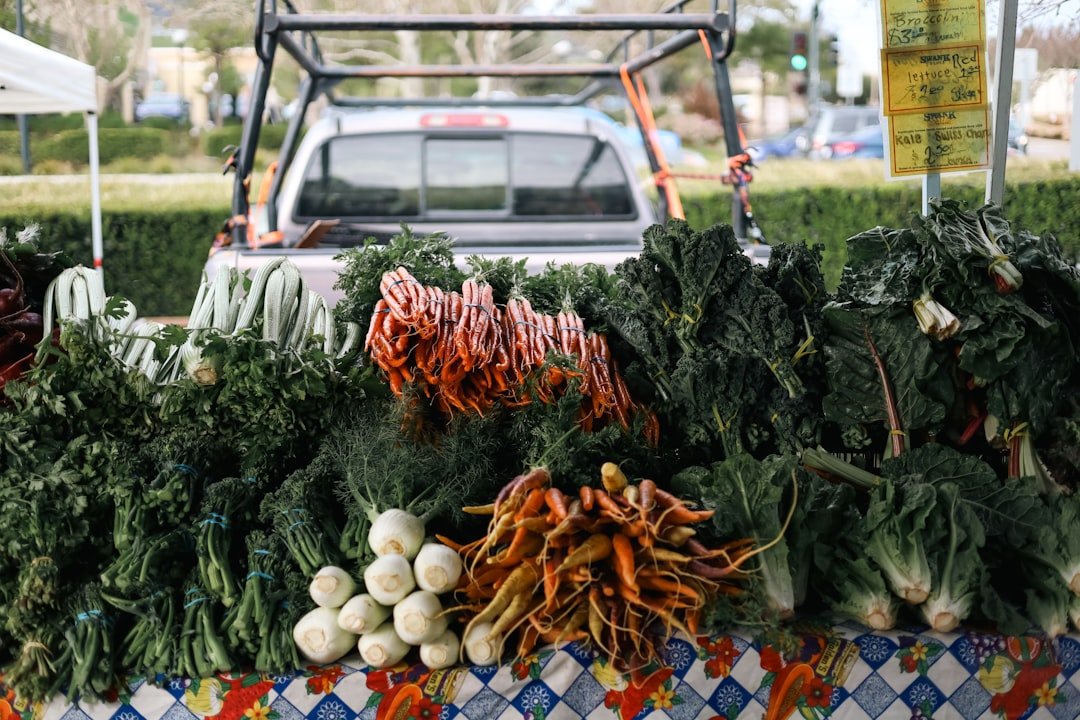
California's farmers markets offer unique opportunities for zero waste shopping. Many farmers sell 'seconds'—cosmetically imperfect produce that tastes identical to premium items but costs less and might otherwise go to waste. Some even offer boxes of mixed produce at discount prices.
These relationships also provide education. Farmers can advise on the best storage methods for their specific varieties, share preparation tips for unfamiliar ingredients, and help you plan purchases around what's truly at peak freshness.
Track Your Progress
Some of California's most committed zero waste households track their food waste, either through measurement or photography. This awareness creates accountability and reveals patterns—perhaps you consistently waste fresh herbs, suggesting you should buy less or learn better storage techniques. Several apps now help track food waste, making this practice easier than ever.
Zero waste isn't about perfection—it's about progress. Even reducing your food waste by 25% makes a meaningful difference for your wallet and the planet. Start where you are, use what you have, and improve over time.
Zero Waste Tools and Equipment
While zero waste cooking doesn't require specialty equipment, certain tools make the practice easier and more effective. California chefs rely on these items to maximize their waste reduction efforts.
Essential Equipment
Quality Storage Containers: Invest in airtight glass containers in various sizes. They extend ingredient life, allow you to see contents clearly, and eliminate single-use plastic. Look for containers with measurement markings and secure seals.
A Powerful Blender or Food Processor: These workhorses transform scraps into usable ingredients—vegetable trimmings into purees, stale bread into breadcrumbs, tough stems into smooth pestos. A high-powered blender like a Vitamix handles even fibrous scraps.
Freezer Bags and Containers: Durable, reusable freezer storage is essential for scrap collection and preserving ingredients at their peak. Silicone bags offer a sustainable alternative to disposable plastic.
Sharp Knives: Properly maintained knives reduce waste by enabling precise cuts and maximum yield from each ingredient. A dull knife crushes rather than cuts, damaging produce and accelerating spoilage.
| Tool | Zero Waste Use | Investment Level |
|---|---|---|
| Glass storage containers | Proper storage extends ingredient life significantly | $$ |
| High-powered blender | Transforms fibrous scraps into smooth preparations | $$$ |
| Dehydrator | Preserves surplus and creates shelf-stable ingredients | $$ |
| Vacuum sealer | Dramatically extends freezer storage life | $$ |
| Countertop composter | Handles truly unusable scraps conveniently | $$ |
| Mandoline slicer | Creates uniform cuts from irregular scrap pieces | $$ |
Helpful Additions
Dehydrator: This tool opens tremendous zero waste possibilities, transforming surplus produce into dried ingredients with concentrated flavor. Dried citrus wheels, fruit leather from overripe fruit, and vegetable powders from trimmings all become possible.
Countertop Composter: For scraps that truly can't be eaten, a countertop composter like the Lomi or similar device breaks down waste conveniently. In California's urban apartments where traditional composting isn't feasible, these machines offer a practical solution.
Vacuum Sealer: For serious zero waste practitioners, a vacuum sealer dramatically extends freezer storage life and prevents freezer burn. Vacuum-sealed stocks, prepared ingredients, and portioned meals last months longer than standard freezer bags.
Sprouting Equipment: When root vegetables or garlic begin sprouting, many cooks discard them. With simple sprouting equipment, you can instead grow those sprouts intentionally, producing nutritious microgreens from ingredients past their prime.
Frequently Asked Questions
Conclusion
Zero waste cooking represents more than a trend in California's culinary landscape—it's a return to the wisdom of previous generations who knew the value of every ingredient, combined with modern techniques and environmental awareness. The chefs leading this movement aren't just reducing waste; they're discovering new flavors, creating unique dishes, and proving that sustainability and deliciousness go hand in hand.
The techniques in this guide—from scrap stock systems to root-to-leaf cooking, from fermentation to proper storage—are accessible to every home cook. You don't need a professional kitchen or years of training. You need only a willingness to see ingredients differently, patience to build new habits, and curiosity to experiment with what you might previously have discarded.
Start small. Perhaps this week you'll begin collecting vegetable scraps for stock. Maybe you'll try carrot top pesto for the first time, or finally learn to store herbs properly so they last longer. Each small change reduces waste, saves money, and connects you more deeply to the food you prepare.
California has always been where food movements begin. Farm-to-table started here. Organic certification gained momentum here. Now zero waste cooking is emerging from the Golden State's innovative kitchens, offering a model for sustainable cooking that anyone, anywhere can adopt. The question isn't whether you can cook with less waste—it's which technique you'll try first.
Ready to Explore More Sustainable Dining?
Discover California restaurants committed to zero waste practices and sustainable sourcing. Our dining guides help you find establishments that share your values while delivering exceptional culinary experiences.
Explore Sustainable Dining
Comments
No comments yet. Be the first to comment!
Leave a Comment